Zayla Font Review
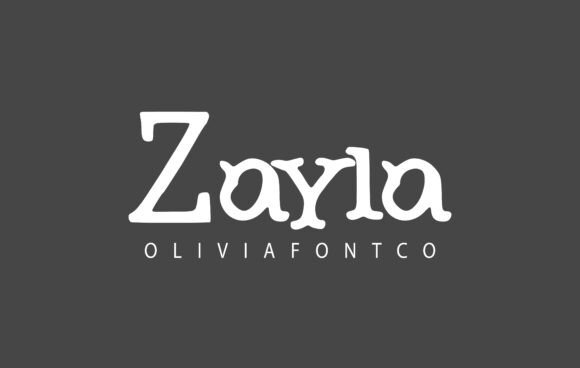
As a web designer, I’m always on the lookout for fonts that bring both personality and purpose to a digital project. Zayla, a slab serif font with a romantic handwritten touch, has quickly become one of my go-to choices for creative websites and brand identities. Its unique balance of elegance and warmth makes it ideal for headers, hero sections, and visual accents where a personal, artisanal feel is key.
First Impressions in a Website Layout
I first tested Zayla while designing a boutique online store’s homepage. The font’s organic curves and subtle swashes gave the site a soft, inviting tone that felt perfect for a handmade or lifestyle brand. When placed over a background image of a cozy living room, it added a sense of authenticity without overpowering the design. The slab serif structure provided enough weight to stand out as a headline but didn’t feel too heavy for a modern aesthetic.
One of the standout features of Zayla is its versatility. It works well in both light and dark mode, maintaining clarity and readability across different backgrounds. On mobile devices, the font scales smoothly, making it a solid choice for responsive design. Whether used for a call-to-action button or a section heading, it consistently delivered a polished, professional look.
Use Cases in Web Design
Zayla shines in areas where visual storytelling matters. For a creative portfolio website, I used it as the main heading on the homepage. The font’s charm helped convey the artist’s personality without being too flashy. It also worked well as a subheading on service pages, adding a human touch to more formal content.
In a coaching website, I paired Zayla with a clean sans serif font for body text. This combination created a balanced layout—Zayla brought warmth and creativity, while the sans serif ensured readability. The result was a site that felt both approachable and professional, which is essential for building trust with potential clients.
For a product landing page, Zayla made a strong impact as the hero title. Its bold yet elegant style caught attention without being overwhelming. When used alongside a simple background, it allowed the message to stand out clearly, reinforcing the brand’s identity and values.
Readability and Performance
While Zayla is a decorative font, it remains surprisingly readable at larger sizes. On desktop screens, it holds up well in headlines and section titles, even when placed over images or gradients. However, I wouldn’t recommend using it for long paragraphs or dense body copy. Its decorative elements can make text harder to scan, especially on smaller screens or in low-contrast settings.
When testing Zayla on mobile, I found that it performed best as a header or short phrase. On buttons or navigation menus, it required careful spacing to maintain legibility. For accessibility-focused designs, it’s better to pair it with a simpler font for secondary text rather than relying on it for all content.
Font Pairing and Brand Consistency
Pairing Zayla with other fonts can elevate a website’s overall look. A common and effective combination is to use it as a display font with a clean sans serif for body text. This contrast helps guide the user’s eye and keeps the design from feeling too busy. For a more editorial feel, pairing it with a traditional serif font like Georgia or Times New Roman can add depth and sophistication.
Another useful pairing is with a script or handwritten font. This creates a cohesive, personalized aesthetic that works well for brands targeting a creative or nostalgic audience. However, it’s important to limit the number of decorative fonts used in a single design to avoid visual clutter.
Practical Considerations for Web Use
Before integrating Zayla into a website, it’s essential to check what styles and weights are available. Some fonts come with multiple variations, such as regular, bold, and italic, which can be useful for different design needs. Additionally, ensuring that the font supports web use through proper licensing is crucial, especially if the site will be used commercially or by multiple users.
For developers, verifying that Zayla is available as a webfont (such as WOFF or WOFF2) is important for fast loading and cross-browser compatibility. If the font isn’t optimized for the web, it may affect performance, leading to slower load times and a poor user experience.