Hugh: A Handwritten Font for Editorial Design
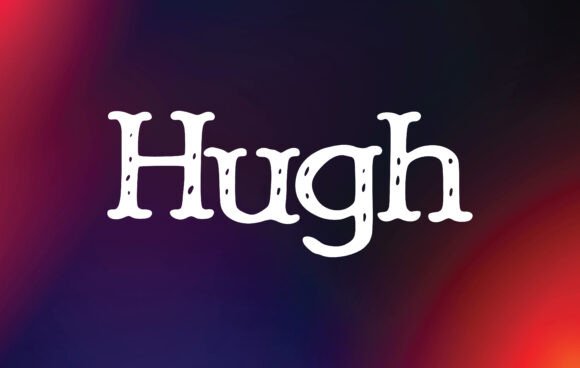
Hugh is a handwritten font that brings warmth and personality to any design project. As a slab serif typeface, it combines the strength of traditional serifs with the expressive flair of a custom script. This unique blend makes Hugh an ideal choice for editorial designers, bloggers, and content creators looking to elevate their visual storytelling.
The font’s bold strokes and subtle flourishes give it a distinctive character that stands out without overwhelming the reader. Its natural flow and irregularities mimic real handwriting, adding a human touch to digital content. Whether used in headlines, quotes, or branding elements, Hugh adds a sense of authenticity and creativity to any layout.
Using Hugh in Editorial Layouts
Hugh excels as a display font, making it perfect for headlines, cover titles, and section dividers. In a lifestyle blog, for example, using Hugh for post titles can draw readers in and create a cohesive visual identity. Pairing it with a clean sans serif font for body text ensures readability while maintaining a professional look.
In a recipe ebook, Hugh can be used for chapter headings and ingredient lists, giving the publication a friendly and approachable tone. For a wedding guide, the font’s elegance and charm can enhance the overall aesthetic, making it ideal for title pages and key sections.
Newsletters and printable guides benefit from Hugh’s versatility. Using it for pull quotes or highlight boxes can break up dense text and guide the reader’s eye through the content. It also works well in lead magnets and worksheets, where its handcrafted feel adds a personal touch to downloadable resources.
Supporting Visual Hierarchy and Brand Identity
Hugh’s strong visual presence helps establish clear visual hierarchy in editorial design. Its weight and structure make it stand out as a headline or subheading, while its organic shape keeps it from feeling too rigid. This balance is essential for maintaining reader engagement and ensuring that key information is easily scannable.
For a coaching workbook or digital magazine, Hugh can serve as a consistent design element across multiple pages. Using it for recurring headings or section markers reinforces brand identity and creates a sense of continuity. This consistency is especially important in long-form publications where visual repetition helps guide the reader through the content.
When used in packaging design or social media graphics, Hugh adds a creative edge that aligns with modern typography trends. Its handwritten style makes it ideal for logos, banners, and promotional materials that aim to convey authenticity and individuality.
Readability and Practical Considerations
While Hugh is primarily a display font, it can still be used effectively in small amounts for body text if paired correctly. However, it’s best suited for short phrases, headings, and accent typography rather than extended reading. When used in PDFs or mobile layouts, ensure that the font size is large enough to maintain clarity on different screen sizes.
For print projects, Hugh’s bold strokes translate well to physical media, offering a striking contrast against background colors or textures. In web design, it’s important to test how the font renders on various browsers and devices to ensure a consistent appearance.
Font Pairing and Design Assets
Hugh pairs well with other serif fonts for a classic, elegant look or with sans serif fonts for a more modern, clean aesthetic. For example, combining it with a traditional serif like Georgia or a minimalist sans like Open Sans can create a balanced and visually appealing layout.
Designers should also consider the font’s alternates, ligatures, and weights when incorporating it into their workflow. These features allow for greater customization and help maintain visual interest throughout a publication. Checking for multilingual support is also important for international audiences or multilingual content.
Commercial Licensing and Usage
Hugh is a premium font that offers commercial licensing for a variety of use cases. Whether you’re creating ebooks, templates, printables, or paid newsletters, the license typically allows for broad usage as long as the terms are followed. Always review the specific licensing agreement to ensure compliance, especially when using the font for client projects or digital downloads.
As a creative font, Hugh provides a powerful tool for content creators looking to express their brand’s personality through typography. Its unique style and versatility make it a valuable addition to any designer’s toolkit, whether they’re working on a blog, magazine, or digital product.
By integrating Hugh into editorial design, writers and publishers can enhance the visual appeal of their work while maintaining a strong connection with their audience. Its ability to convey emotion, reinforce brand identity, and support effective layout decisions makes it a standout choice for anyone invested in high-quality content creation.